
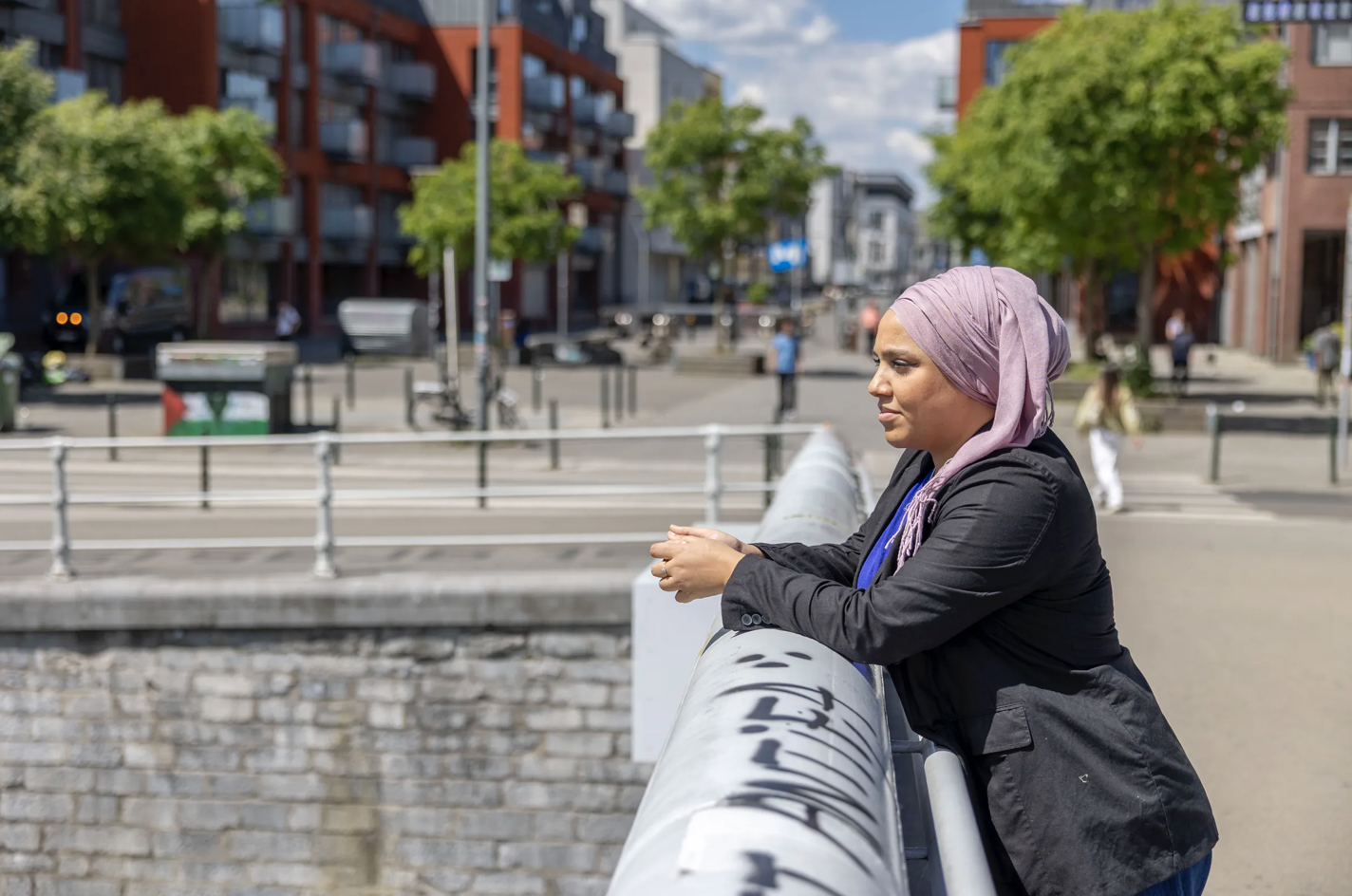
The canal embankments in Molenbeek could receive a new design in the coming years.get, with more trees, wider sidewalks and less through traffic. ToThe municipality of Molenbeek and Brussels organized these plans.Mobility in June and July: public consultation workshops for residents and local actors.The results are clear: 83% of the participants prefer more planting and less space for cars. According to Molenbeek’s shipowners, Public Works Saliha Raïss (Vooruit.brussels) presents the results Clear direction for the ‘Molendijk’ project: “The quays should be a place” where people like to walk and meet each other.” The concrete layout and The traffic circulation will now be further investigated.
“The promenades should be a place where people like to walk and meet each other. With more trees, wide sidewalks and less through traffic, we can make everyday life in the neighborhood more pleasant. The public consultation provides us with a clear direction for this,”, says Saliha Raïss, the mayor of Public Works (Vooruit.brussels) in Molenbeek.
During workshops in June and July, residents and local actors were able to present various options. The presentation brings together the proposals submitted by participants. 60% of those surveyed favor much more vegetation and a significant reduction in parking space. Another 23% prefer an intermediate solution with more vegetation and less parking. In addition, three-quarters of the participants favor a pedestrian zone directly along the water. A bike lane is the most popular option for the roadway.
Wider sidewalks and more space
The municipality and Brussels Mobility are investigating how the Henegouwenkaai and the Koolmijnenkaai can be made safer and more pleasant for pedestrians and cyclists. The first draft proposals show wider footpaths along the canal, additional trees and space for benches and other street furniture. It is also being investigated how to prevent through-traffic of cars and trucks, while ensuring that homes, businesses and local services remain accessible.
“Those who live here must still be able to reach their homes. Businesses must be able to receive deliveries and emergency services must be able to respond quickly. This is part of a good plan and good governance. We want less traffic, with solutions that work for the people and businesses in the area,” emphasizes Raïss.
Addressing safety issues
From conversations with local organizations, businesses, and services, it appears that the reduction in traffic and the improvement of the living environment are generally being received positively. Accessibility, deliveries, and avoiding additional traffic in neighboring streets remain important concerns. Not all of the contacted actors have responded yet.
“A livable neighborhood is created together with the people who live and work there. Therefore, we must discuss the results with those involved and include the concrete questions about accessibility in the further development,” said Raïss.
Apart from the future redevelopment, the ship also wants the existing safety issues to be taken seriously and addressed where necessary:
“I regularly receive contact from local residents who express their concerns about traffic safety and the accessibility of the quays during the current works. It is therefore important that clarity is provided in the short term regarding the current situation and the further timing of the project. Residents need to know what to expect. Clear and transparent communication with them is essential in this regard.”
In October, a monitoring committee is planned. The involved residents and local actors will then receive feedback. After that, the Build department of Brussels Mobility, in collaboration with the municipality of Molenbeek, will further develop the infrastructure project. A collaboration that is going very well according to Mayor Raïss: “We hope to be able to present concrete plans soon, so that the capacity of the quays can be fully utilized and returned to the neighborhood.”