
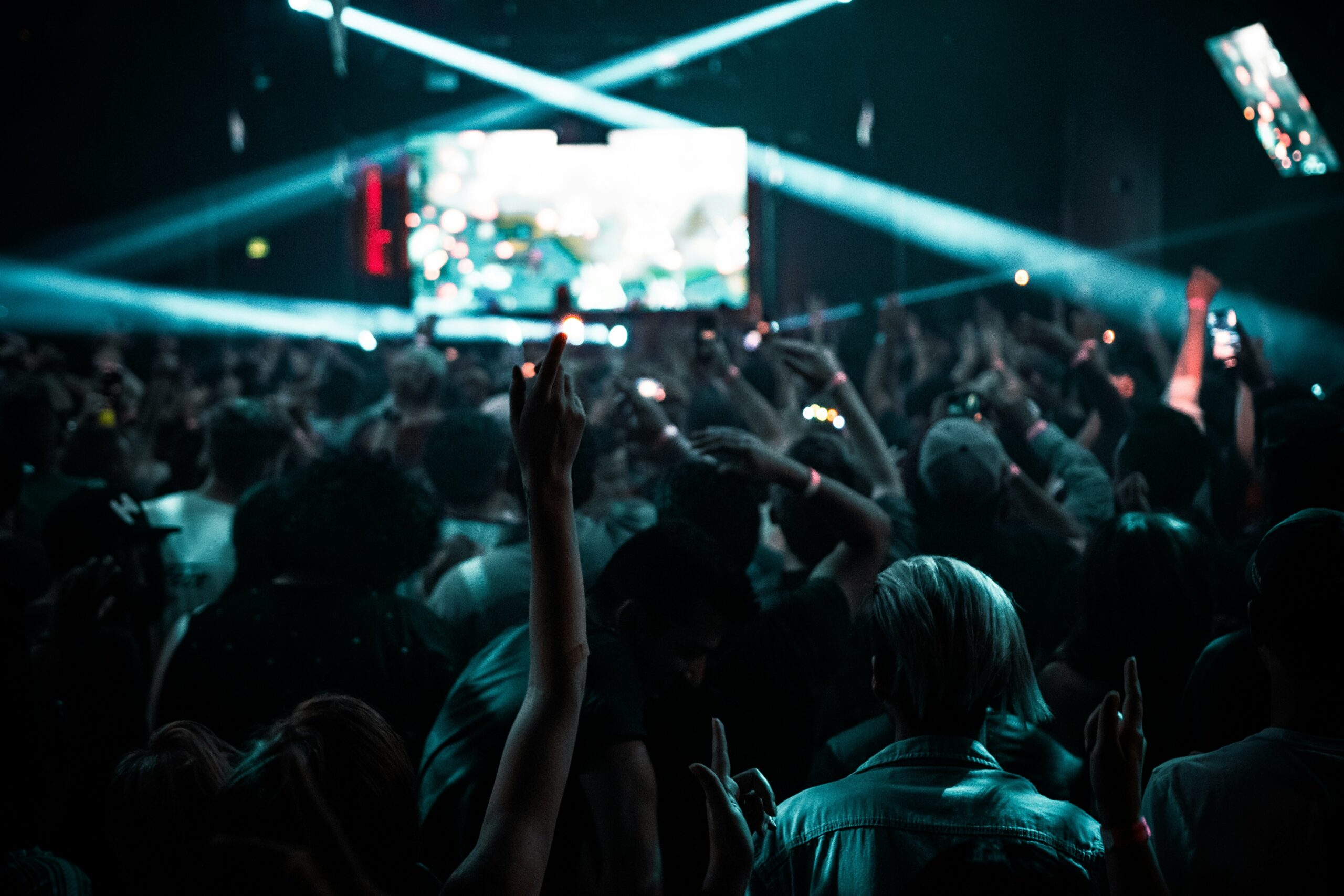
The plenary session of the Brussels Parliament today approved the ‘agent of change’ principle. This is an amendment to the Code for Spatial Planning and the Brussels Housing Code that should primarily benefit nightlife. Anyone who moves in next to an existing nightclub or concert venue will henceforth have to take their own measures against noise pollution. “This is a necessary step in the protection of Brussels” nightlife," says Pascal Smet, group leader for Vooruit.brussels, who submitted the proposal together with Anne-Charlotte d’Ursel (MR). The PS, Les Engagés, Anders and cd&v parties also signed the proposal.
Brussels' nightlife has been under pressure for a long time, with some well-known nightclubs like Spirito and La Cabane recently having to close their doors. Club owners have already sounded the alarm, fearing that Brussels' club scene is largely at risk of disappearing if measures are not taken quickly.
To offer an answer to that, Pascal Smet (Vooruit.brussels, together with Anne-Charlotte d’Ursel (MR), a draft ordinance. This was approved today by the plenary meeting of the Brussels Parliament, after the Committee on Spatial Planning had previously given its approval.
The intention was to enshrine the ‘agent of change’ principle in the Spatial Planning Code and the Brussels Housing Code.
“The principle is simple”, says Pascal Smet (Vooruit.brussels) On that, “Whoever causes the change takes responsibility. If you move in next to an existing club, then you must take measures against noise nuisance. But the same applies in reverse: a new nightclub must respect its neighbours and ensure they do not suffer from its activities. That is common sense and a matter of good governance. This is how we keep the city liveable for everyone.”
Fuse
“Stories like that of Fuse, where someone moving in next door to an already existing nightclub can then cause it to close due to noise nuisance, will no longer be possible in the future”., Will Smet continue. “Brussels” nightlife gives our city national and international appeal and is part of our DNA. This is an important step in protecting it.”
Smet stresses, however, that this measure alone will not suffice and that further action will have to be taken in the future, “but this is a necessary step.”
Progressive
The proposal specifically targets ‘clubbing’. Temporary outdoor installations or events, such as the South Fair for example, are not included. Furthermore, there is also a urban planning aspect: the proposal also stipulates that anyone building new construction or undertaking a major renovation of a building to convert it into residential use or a hotel, within a perimeter of 20 metres around an existing nightclub, will be notified that there may be noise nuisance at that location.
“The so-called ‘agent of change’ principle, which already exists in London for example, is truly forward-thinking. The last to establish themselves bears the responsibility: this helps to find a balance between the quality of life for residents and the protection of nightlife and clubs, which contribute to Brussels” image., says Anne-Charlotte d’Ursel (MR), first co-signatory of the proposal.
Necessary measure
The other parties that supported the proposal are also showing their satisfaction.
“With this measure, we are opting for a city that continues to evolve, without sacrificing what makes it vibrant. In Brussels, nightlife is an important part of culture, social interaction, and creativity, and it contributes fully to our urban identity. This text aims to enable a balanced coexistence between the different functions of the city, while cultural players, artists, and local initiatives continue to have the opportunity to make Brussels thrive in all its diversity,” says Isabelle Emmery (PS).
“Today, it's often the case that when a new property development is undertaken in the vicinity of a cultural institution that has been established there for decades, it's precisely that existing institution that bears the consequences. It has to invest in soundproofing, limit its opening hours, and all too often is ultimately forced to close its doors. ‘Agent of change’ reverses that logic: whoever changes an existing situation must, from the design stage of their project, implement the necessary measures to protect future residents or users,” it says. Alain Deneef (Les Engagés).
“A city is also its culture, its energy, its night. People come to Brussels precisely because it's a vibrant city. This ordinance chooses that city. It distributes responsibility fairly. It gives clubs certainty. It gives residents transparency. And it does so with a precision that prevents abuse,” says Imane Belguenani (Anders).
Benjamin Dalle (cd&v) decision that living and relaxation must go hand in hand in Brussels: “Brussels must remain a city where people can live well and where culture and nightlife can continue to exist. With the Agent of Change principle, we create a fair balance: those who develop new projects next to existing clubs or cultural venues must also take responsibility for protecting future residents from noise pollution.”